Gypsum

By: Sarah Bisson
Edited by: Siyana Randolph
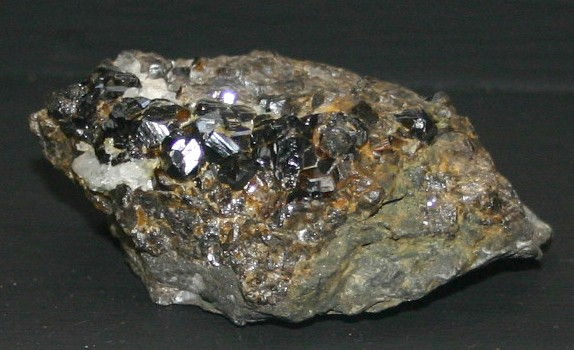
This article explores the properties, uses, and global movement of gypsum, focusing on its importation through the Port of Baltimore and its importance to U.S. construction and agriculture. Gypsum is a soft, white or colorless mineral composed of calcium, sulfur, oxygen, and water. It naturally forms in sedimentary rocks when mineral-rich water evaporates. Gypsum benefits humans, animals, and plants, and serves as a versatile material in construction, agriculture, and even food production. As a key ingredient in drywall, plaster, and cement, gypsum plays a major role in the global industry.

Import Quantities to the Port of Baltimore
According to the ImportInfo database, in calendar year 2024, twenty-three shipments of gypsum were processed through the Port of Baltimore. Fourteen of those shipments came from Halifax, Nova Scotia, Canada, while the remainder arrived from Spain, Germany, and Belgium. These shipments, carried on bulk vessels, totaled approximately 758,604 tons. On average, the Port of Baltimore handled 63,217 tons of gypsum per month in 2024, making it the leading U.S. port for gypsum imports that year.

History
The history of gypsum use extends back to 7000 BCE, when remnants of the mineral were discovered in Mesopotamian cities along the Euphrates and Tigris Rivers. Archaeological evidence suggests the Mesopotamians used gypsum to coat walls for fire resistance. Approximately 5,000 years later, the Ancient Egyptians ground gypsum into plaster to build pyramids, palaces, and temples. Gypsum was also carved into statues and household items. Many of these artifacts still exist, illustrating gypsum’s durability. In the 18th century, German agriculturalist Johann Friedrich Mayer pioneered the use of gypsum as a soil additive to enhance fertility and crop yield. By the early 1900s, gypsum was even used in the entertainment industry to create artificial snow on film sets. Over millennia, gypsum has remained essential in architecture, agriculture, and art.
Uses
Gypsum’s versatility makes it vital to numerous industries. In construction, it improves safety, structure, and efficiency by providing heat resistance, sound absorption, strength, and durability. It is a primary component in drywall and plaster. In agriculture, gypsum improves soil structure, reduces erosion, and provides soluble sulfur and calcium for plant growth. Farmers use it as a soil amendment to enhance water infiltration and nutrient availability. In the food industry, gypsum is approved by the U.S. Food and Drug Administration as a source of calcium and appears in products such as tofu, flour, canned vegetables, and blue cheese. It also serves as a binding agent in toothpaste, helping to remove plaque and particles. Gypsum’s wide range of applications makes it indispensable to modern life.
How It Works

Gypsum forms naturally through the evaporation of mineral-rich waters in lakes, seawater, hot springs, or volcanic vapors. It is extracted using both open-pit and underground mining methods. When heated, gypsum loses its water content and becomes plaster. According to the Gypsum Association, gypsum panels resist fire by releasing steam when exposed to high heat, which prevents ignition of underlying structures. In agriculture, gypsum improves soil by replacing sodium ions with calcium and sulfur, essential for root development and plant health.
Sustainability
Gypsum is increasingly recognized for its role in sustainable practices. It is recyclable, reducing landfill waste, and its abundant availability lowers transportation emissions. Sustainable mining techniques help minimize environmental impact. These qualities make gypsum a critical mineral for both economic and environmental sustainability.
From ancient Mesopotamia to modern skyscrapers, gypsum has been a cornerstone of human progress. Its role in construction, agriculture, and food industries demonstrates its versatility and importance. The Port of Baltimore serves as a crucial hub for importing this valuable mineral, reinforcing the port’s role in sustaining America’s infrastructure and agriculture. As environmental awareness grows gypsum’s recyclability and abundance ensure that it remains an essential and sustainable resource for generations to come