Antimony Metal
Updated: Feb 24
By C. Kalitsi
Edited by Ashley Fogarty

Antimony ingot 16 kgs (Wikimedia GNU CC by Saperaud)
What are Antimony Ingots?
Antimony is a silvery-white element that most people have never seen, but the Port of Baltimore quietly handles vast amounts of it every year. In 2024, 79 shipments delivered more than 4.9 million pounds (2,450 US tons) of this metal. Those 2,450 tons of antimony metal would fill 61 fully loaded semi-trucks (18 wheelers). In a convoy, those 61 trucks would stretch up to about a mile. Each ingot measures 7.25" x 9.5" x 3” and is about the size of a large brick or tissue box. Easy to spot because of its silvery color, each shipment arrives stacked aboard wooden pallets and is unloaded by cranes. Dockworkers wearing gloves and masks move them carefully—antimony dust can irritate the lungs—and forklifts load the material onto flatbed trucks bound for factories inland.

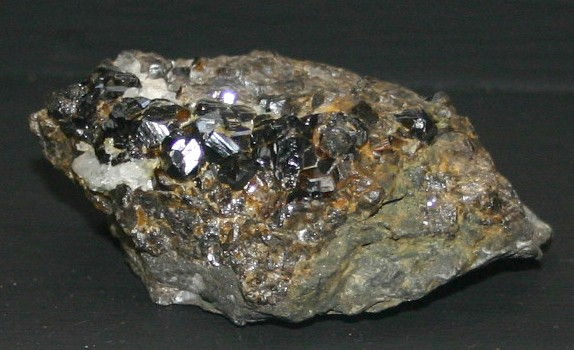
Antimony (Wikimedia Photo by Aram Dulyan)
Uses
Antimony isn’t famous, but it has many jobs.
Antimony ingots are melted down or processed into compounds and alloys for several consumer and industrial uses. Here are some of its main contributions that affect our everyday lives: in flame retardants, lead-acid batteries, and alloys and other products.
In flame retardants (the largest use, accounting for about half of global antimony consumption), antimony is refined into antimony trioxide (a white powder), and is added to plastics, textiles, rubber, paints, and electronics. This makes materials—like children's clothing, toys, airplane seat covers, industrial safety gear, mattresses, and electronic casings—much harder to ignite and slower to burn, improving fire safety in homes, vehicles, and workplaces.
In lead-acid batteries (a major traditional use, especially for car starters, backup power, and industrial systems), antimony is alloyed with lead (typically 1–6% antimony) to form stronger grid plates. This makes batteries more durable and reliable for vehicles, forklifts, emergency lighting, and grid storage—though newer low-antimony or antimony-free designs are emerging for some applications.
In alloys and other products, antimony hardens and strengthens metals in these ways: Added to lead for ammunition (better penetration), cable sheathing, bearings, solder, and type metal (for printing); alloyed with tin for pewter (durable tableware and decorations); or used in small amounts for antifriction bearings and radiation shielding (e.g., in medical X-ray rooms).
These applications highlight antimony's role as a "hidden hero" in fire safety, reliable power, and durable materials—critical for modern life, defense, and the shift to greener energy.
The Impact on the Port of Baltimore
Because antimony is rare as a mineral within the US, we depend on foreign sources to obtain the metal. It has been identified as a strategic commodity by the US, yet our greatest single source is China. Most of Baltimore’s imported antimony comes from overseas producers, often shipped in raw or semi-refined form. Of the 79 shipments of antimony metal to the Port of Baltimore in 2024, 38 were from ports in Mainland China, 14 from Vietnamese ports, 12 from ports in Taiwan, 7 from Belgium, and 8 from other locations. This reflects that China provided the US to nearly 50% of the antimony metal the Port of Baltimore received in 2024. The port's location near major highways and rail lines makes it ideal for moving metals and chemicals to manufacturing centers across the Mid-Atlantic and Midwest. The containers are weighed, inspected, and dispatched through the port’s specialized terminals, designed to safely handle bulk and semi-bulk materials.

Antimony mining production as a percentage of top producer China. (Wikimedia. Image by A saadat)
It’s one of many hidden movements that keep the region’s industries supplied, reminding us that even the elements of the periodic table pass through Baltimore’s busy waterfront.