Manganese Ore

Updated: Feb 24
By Meghan Davis
Edited by Ashley Fogarty
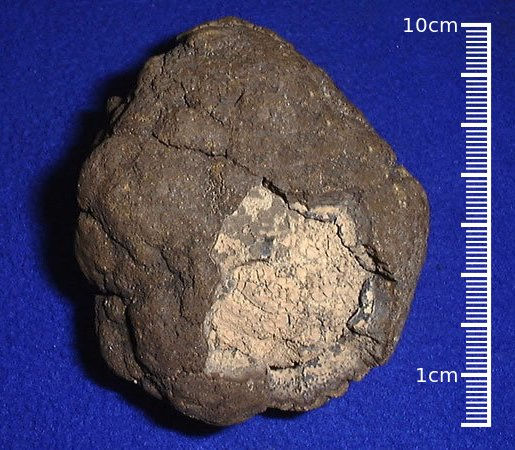
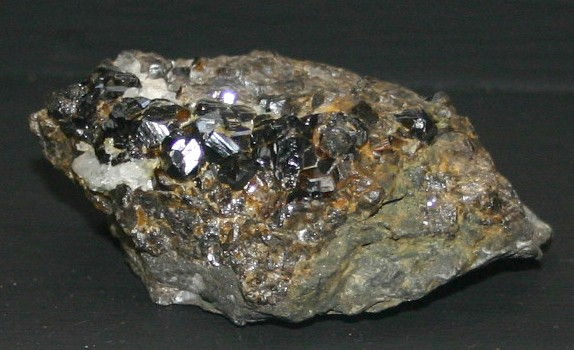
Manganese ore arrives in the Port of Baltimore in two forms: 1) milled manganese ore, and 2) manganese fines. The major difference between the two is the amount they are processed before arriving in the port. Milled manganese ore (also called ground or powdered manganese ore) is mechanically ground to reduce it to a very fine powder. This can achieve particle sizes as small as <0.1 mm or finer, about the thickness of a human hair or a sheet of computer printer paper. Fines manganese ore refers to naturally occurring or minimally processed fine particles produced during mining, crushing, and screening of raw ore. Fines are about 1mm-10mm in size, or about the thickness of a paperclip up to the size of a green pea. While both forms help produce similar end products after processing, the ultra-fine nature of milled material suits certain chemical refinements, while fines are often the primary bulk input for steel alloys.
According to the U.S. Geological Survey (USGS), manganese is the 12th most abundant element on Earth. It occurs naturally in soil, water, and air, most often in solid form. Major reserves are found in South Africa, Brazil, and Ukraine, which together accounted for nearly 65 percent of global reserves in 2013. Imports to the United States originate mainly from South and Central Africa as well as the Bahamas. Companies such as KIMPE SAS—a family-owned firm specializing in grinding raw materials into liquids—and Eramet, a key global stakeholder in responsible mining, are major suppliers of milled manganese ore.
Import Quantities to the Port of Baltimore
Per ImportInfo data, during the calendar year 2024, twenty-six shipments of manganese ore (milled and fines) were processed through the Port of Baltimore. These shipments totaled approximately 146,008,633 pounds, or approximately 73,000 US tons. On average, approximately 12 million pounds (6,000 US tons) arrived per month. That monthly amount weighs the same as 150 fully loaded 18-wheelers, each maxed out at 80,000 pounds (the legal highway limit). Lined up as a convoy, it would stretch 2–2.5 miles if lined up end-to-end (a standard semi is about 70–80 feet long). This steady flow demonstrates Baltimore’s role as a key U.S. gateway for industrial minerals that support the steel sector.

Uses
Milled manganese ore is primarily used in the steelmaking process to enhance steel strength, toughness, and resistance to corrosion. The Royal Society of Chemistry reports that manganese steel contains about 13% manganese, which provides extreme hardness and durability. Such alloys are commonly used in railway tracks, rifle barrels, and prison bars. In daily life, manganese also appears in aluminum drink cans to improve corrosion resistance.
In steel production, manganese fines are first smelted with iron and other materials to create alloys like ferromanganese or silicomanganese. These alloys are then added to molten iron during steelmaking for these key reasons: They act as a deoxidizer to remove oxygen bubbles from the steel, preventing weak spots or cracks. They combine with sulfur to form harmless compounds, stopping the steel from becoming brittle or cracking during rolling or shaping. They boost the steel's strength, toughness, hardness, and wear resistance—making it ideal for cars, bridges, railroads, construction beams, and heavy machinery that needs to last under stress.
For batteries (especially lithium-ion ones in electric vehicles, phones, and tools), manganese fines are refined into high-purity compounds like manganese sulfate or manganese oxide. These go into the battery's cathode in these ways: In NMC (nickel-manganese-cobalt) batteries, manganese helps make the battery safer by reducing the risk of overheating, more stable during charging, and longer-lasting. It increases energy density for better range in EVs and improves recharge speed without raising costs much (manganese is cheaper than nickel or cobalt). Emerging types like LMFP batteries (lithium-manganese-iron-phosphate) use higher manganese levels to boost performance while keeping batteries affordable and eco-friendlier.
In fertilizer production, manganese fines are converted into soluble forms like manganese sulfate (a common fertilizer additive). It's added to crops in these practical ways: As a supplement sprayed on leaves (foliar application) or mixed into soil to fix deficiencies that cause yellowing leaves or stunted growth in plants like soybeans, wheat, corn, and potatoes. It helps plants with photosynthesis and activates enzymes for better nutrient uptake, leading to healthier crops and higher yields—especially in sandy or alkaline soils where manganese naturally runs low.
In compounds used for purifying drinking water, manganese fines are oxidized and processed into potassium permanganate (a purple chemical) that is used directly in water treatment plants like this: When added in small amounts, it oxidizes dissolved iron, manganese, and hydrogen sulfide in raw water—turning them into solid particles that are easy to filter out. It removes bad tastes, odors, and colors from water, making it clearer and safer to drink without harsh chlorine smells. It also controls algae or bacteria growth in reservoirs and helps treat wastewater.
These uses show how versatile manganese fines are—from building strong infrastructure to powering green tech and keeping water clean.
Connection to the Port of Baltimore
At the Port of Baltimore, shipments of milled manganese ore typically arrive in bulk containers and are handled at Dundalk Marine Terminal, one of the port’s main facilities for metal imports. After customs clearance, the cargo is transferred by truck or rail to steel mills and industrial facilities throughout the Mid-Atlantic. The Port’s deep-water access and intermodal links make it a critical node in the supply chain for steel production.
Globally, over 25 million tons of manganese are mined each year. Its use in alloy production contributes to stronger, longer-lasting metals that support transportation, construction, and infrastructure projects. Because manganese improves steel durability, its trade through Baltimore supports regional industries and employment while contributing to national manufacturing resilience.