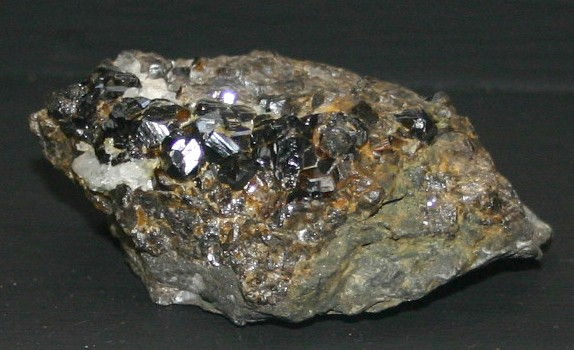
Wamara Wood

Updated: Feb 28
By T. Lowman
Edited by Ashley Fogarty
Wamara wood is a medium reddish-brown to purplish-black hardwood, often marked by prominent darker stripes. It typically has a straight grain, though irregular or interlocked patterns also occur. The wood has a fine, even texture, a natural luster, and produces little odor when worked.
Native to the tropical rainforests of South America—particularly Brazil, Guyana, and Suriname—wamara is valued for its durability and strength. While many tropical hardwoods have been overharvested, wamara is generally regarded as a sustainable species, and many suppliers follow responsible forestry practices.

Wamara is highly resistant to rot, decay, and termites, though it is somewhat susceptible to marine borers. Its high density makes it difficult to machine and causes moderate to heavy blunting of cutting tools. Common uses include fine furniture, cabinetry, inlays, parquet flooring, turnings, and other specialty wood products.
In 2024, 39 shipments of wamara wood entered the Port of Baltimore, totaling approximately 10,500 U.S. tons. That volume equates to roughly 4.2 million board feet of dense tropical hardwood—enough to fill approximately 470 standard truckloads.
Baltimore handled about 875 tons of wamara wood per month. Following the collapse of the Francis Scott Key Bridge, the port’s primary deep-draft container terminals—Seagirt and Dundalk—were inaccessible for approximately 77 days. During the months in which those terminals were fully operational, the handling rate was substantially higher.
While bill of lading data identifies Asian trading firms as the primary consignees, corresponding export records do not clearly reflect outbound wamara shipments. The ultimate disposition of the wood—whether domestic consumption, resale, or re-export—cannot be determined from publicly available manifest data.