

Tin Ingots

By Garrett Wiebking
Edited by Ashley Fogarty\
Tin ingots, often known by the Latin name stannum, are silver-white metallic blocks made from refined tin. While often cast into brick-shaped ingots weighing about one pound, they are manufactured in a variety of sizes depending on their intended industrial use. Modern tin ingots commonly exceed 99.99 percent purity, making them suitable for demanding manufacturing applications.
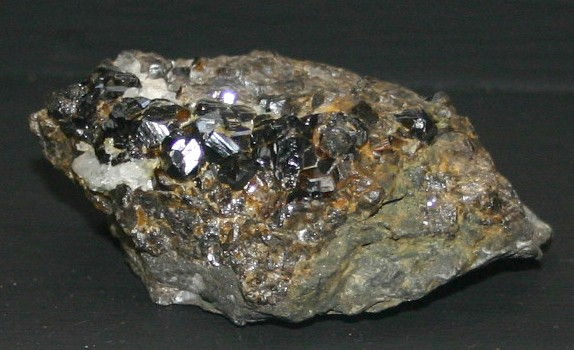
Tin begins as cassiterite, the ore from which tin is extracted. After mining, the ore is crushed, concentrated, and heated in a smelting furnace. The tin melts and separates from unwanted rock and other impurities, which are removed as slag. The molten metal is then poured into molds, cooled, and solidified into ingots that can be transported efficiently to manufacturers around the world.
Because tin is both corrosion-resistant and highly malleable, it plays an important role in modern industry. One of its most familiar uses is the manufacture of tinplate used to produce food cans. The thin coating of tin protects the underlying steel from corrosion while providing a safe, non-toxic surface for food storage. Tin is also used in solder, electronics, chemicals, and alloys such as bronze and pewter.
Baltimore's leadership in tin imports reflects more than favorable shipping routes. The region has long supported industries that consume large quantities of refined tin. Among the best known is the Independent Can Company, founded in Baltimore County in 1929. Today the company operates multiple manufacturing facilities across the United States while maintaining its historical connection to the Baltimore area. Tin imported through the Port helps supply manufacturers that produce tinplate used to coat steel sheets, which are then fabricated into the food and beverage cans found in grocery stores throughout the country.

According to the 2025 Import Info database, the Port of Baltimore imported approximately 12,555 short tons of tin ingots involving 253 bills of lading, making Baltimore the nation's leading importer of this commodity. Baltimore handled nearly 36 percent of all tin-ingot imports entering the United States that year.
Much of this material originated in South America, arriving through ports such as Santos, Brazil, Cartagena, Colombia, and Manzanillo, Panama, before being delivered to Baltimore. Delivery was made aboard oceangoing cargo vessels capable of transporting heavy metal products safely and efficiently.

The movement of tin ingots through Baltimore illustrates a broader lesson about ports. A seemingly ordinary cargo can support an entire manufacturing sector. Every shipment of refined tin represents not simply metal moving through a harbor, but the continued operation of factories, packaging companies, food processors, and supply chains that depend upon a reliable source of this essential industrial material. Baltimore isn't important because it receives tin. It's important because it enables industries that depend on tin.


